Table of Contents
ToggleGear recommendations help people select the right equipment for their needs. Whether someone shops for camping supplies, fitness gear, or photography equipment, recommendations simplify the decision-making process. They provide guidance based on expert knowledge, user experiences, and product testing.
Choosing equipment without proper research often leads to wasted money and frustration. Gear recommendations solve this problem by filtering through countless options and highlighting products that deliver real value. This guide explains what gear recommendations are, why they matter, where to find them, and how to evaluate their quality.
Key Takeaways
- Gear recommendations help you select the right equipment by filtering through options based on performance, durability, price, and intended use.
- Quality gear recommendations save time and money by helping you avoid poor purchases and matching products to your actual needs.
- Trusted sources for gear recommendations include expert review sites, YouTube reviewers, online forums, specialty retail staff, and experienced friends.
- Always evaluate gear recommendations by checking the source’s expertise, looking for specific details, and considering potential bias from affiliate links or sponsorships.
- Compare recommendations from multiple sources to find consensus opinions and ensure the advice matches your experience level and specific requirements.
Understanding Gear Recommendations
Gear recommendations are suggestions for equipment or products based on specific criteria. These criteria include performance, durability, price, and intended use. A good recommendation matches the right product to the right person.
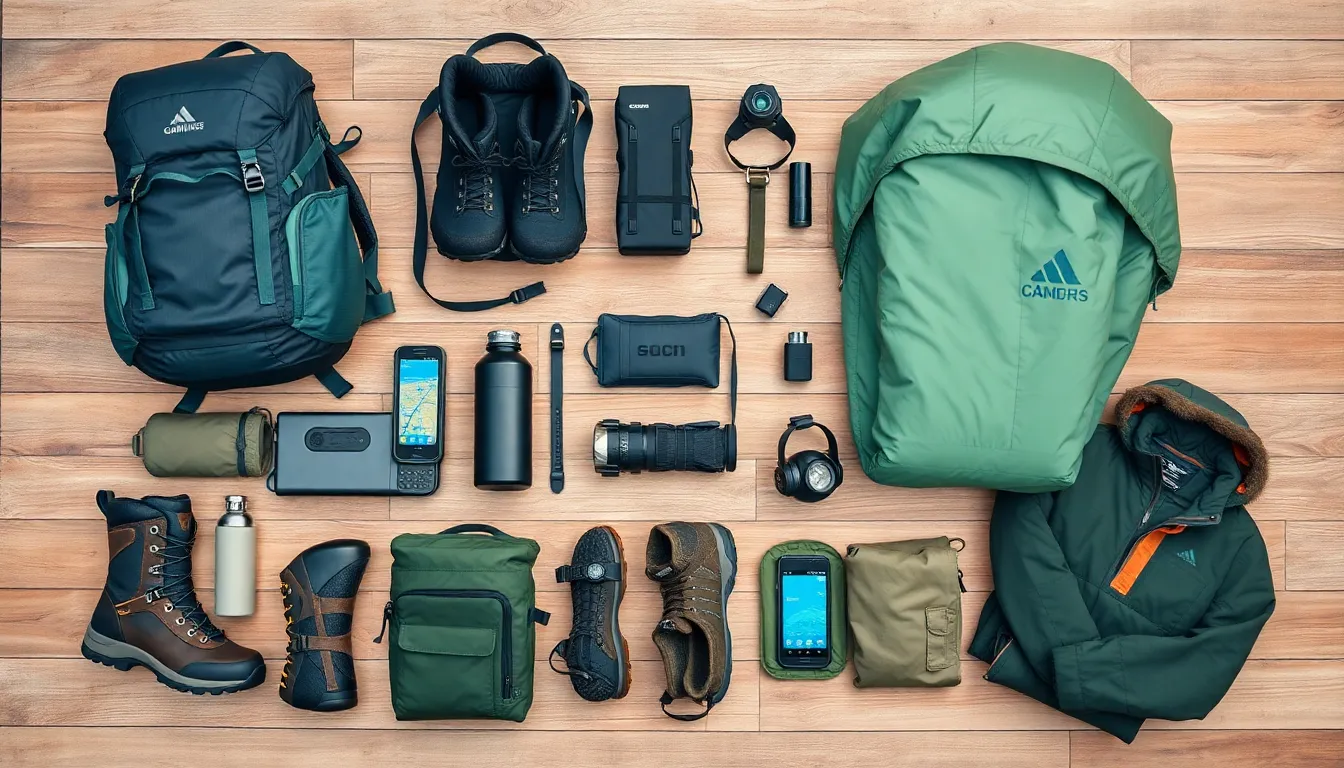
Experts, reviewers, and experienced users create gear recommendations. They test products, compare features, and identify which items perform best in various situations. For example, a hiking enthusiast might recommend specific boots for rocky terrain, while a professional photographer might suggest cameras for low-light conditions.
Gear recommendations serve different purposes:
- Budget-focused recommendations highlight affordable options that still deliver quality
- Performance recommendations identify top-tier products for serious users
- Beginner recommendations suggest entry-level gear that’s easy to use
- Specialized recommendations target niche needs like extreme weather or professional applications
The best gear recommendations explain why a product works well. They don’t just list features, they describe real-world performance. This context helps buyers understand if a product fits their specific situation.
Why Gear Recommendations Matter
Gear recommendations save time, money, and frustration. Without them, buyers face hundreds of options with little guidance on what actually works.
Avoiding Poor Purchases
The wrong equipment creates problems. Cheap hiking boots might fall apart after two trips. An underpowered laptop might struggle with basic tasks. Gear recommendations help people avoid these mistakes by identifying products that hold up under real use.
Matching Products to Needs
Not everyone needs the most expensive option. A casual jogger doesn’t require elite running shoes designed for marathons. Gear recommendations match products to actual needs, preventing overspending on unnecessary features.
Learning from Others’ Experiences
People who use equipment daily discover things that product descriptions never mention. They find out which backpacks cause shoulder pain, which tents leak in heavy rain, and which cameras drain batteries quickly. Gear recommendations share this hard-earned knowledge.
Staying Current with Technology
Products improve constantly. Last year’s best option might be outdated today. Reliable gear recommendations track these changes and update their suggestions accordingly. This keeps buyers informed about current options rather than older products that manufacturers still sell.
Common Sources for Gear Recommendations
Multiple sources provide gear recommendations. Each has strengths and limitations.
Expert Review Sites
Dedicated review websites test products systematically. They use standardized methods to compare items in the same category. Sites like Wirecutter, Outdoor Gear Lab, and RTINGS provide detailed analysis backed by actual testing. These sources offer thorough gear recommendations but may not cover every budget range.
YouTube Reviewers
Video reviews show products in action. Viewers see how gear performs rather than reading descriptions. Many YouTubers specialize in specific categories like camping, gaming, or fitness equipment. Their gear recommendations often include real-world demonstrations that written reviews can’t match.
Reddit and Online Forums
Community discussions reveal honest opinions from actual users. Subreddits dedicated to hobbies or activities feature gear recommendations from people who own and use products daily. These sources provide diverse perspectives, though quality varies significantly.
Retail Staff
Specialty stores employ knowledgeable staff who can provide personalized gear recommendations. An experienced outdoor store employee might ask about trip length, terrain, and climate before suggesting a backpack. This personal touch helps match products to individual needs.
Friends and Family
People trust gear recommendations from those they know. A friend who runs marathons can suggest reliable running shoes. A family member who photographs weddings can recommend cameras. These personal recommendations carry weight because the source is trustworthy.
How to Evaluate Gear Recommendations
Not all gear recommendations deserve trust. Learning to evaluate them prevents poor decisions.
Check the Source’s Expertise
Does the person making the recommendation actually use this type of equipment? A general tech reviewer might not have the expertise to recommend specialized photography gear. Look for sources with proven experience in the specific category.
Look for Specifics
Vague gear recommendations raise red flags. Phrases like “great quality” or “works well” say little. Useful recommendations explain specific strengths: “The waterproof coating held up through three days of rain” or “Battery lasted 8 hours of continuous filming.” Details indicate genuine experience.
Consider Potential Bias
Some gear recommendations come with conflicts of interest. Affiliate links pay commissions for purchases. Sponsored content promotes specific brands. This doesn’t automatically invalidate recommendations, but readers should factor it into their evaluation.
Compare Multiple Sources
Single opinions can mislead. One person might receive a defective unit or have unusual preferences. Checking gear recommendations from multiple sources reveals consensus opinions. If three independent reviewers praise the same product, confidence increases.
Match Recommendations to Your Context
The best gear for an expert might overwhelm a beginner. Equipment designed for professionals often includes features that casual users never need. Evaluate whether gear recommendations target users with similar experience levels and needs.