Table of Contents
ToggleEsports coverage has become a cornerstone of the competitive gaming industry, connecting millions of fans with their favorite players, teams, and tournaments. But what exactly does esports coverage include, and why has it grown so rapidly?
At its core, esports coverage refers to the journalism, broadcasting, and content creation that surrounds professional video game competitions. From live match commentary to in-depth analysis pieces, this media ecosystem keeps the global gaming community informed and engaged. Whether someone follows League of Legends championships or Counter-Strike tournaments, esports coverage delivers the news, highlights, and stories that matter.
This guide breaks down everything readers need to know about esports coverage, what it is, where to find it, and why it plays such a critical role in modern gaming culture.
Key Takeaways
- Esports coverage refers to the journalism, broadcasting, and content creation surrounding professional video game competitions, including live commentary, news, and analysis.
- Types of esports coverage include live event broadcasting, news journalism, analytical content, documentaries, and social media updates—each serving different audience needs.
- Major platforms for finding esports coverage include Twitch, YouTube Gaming, dedicated websites like Dot Esports and Dexerto, and mainstream outlets like ESPN.
- Quality esports coverage drives audience growth by making competitive gaming accessible to newcomers and helping casual viewers understand high-level play.
- Esports coverage creates value for sponsors, legitimizes competitive gaming, builds compelling narratives, and provides accountability through investigative journalism.
Defining Esports Coverage
Esports coverage encompasses all forms of media that report on, broadcast, or analyze competitive video gaming. This includes live event streaming, news articles, player interviews, match recaps, and opinion pieces. The term applies to both professional journalism outlets and independent content creators who focus on the esports scene.
The scope of esports coverage extends far beyond simply showing matches on screen. Professional esports coverage includes pre-game analysis, real-time commentary, post-match breakdowns, and feature stories about players and organizations. Journalists and analysts dig into team strategies, roster changes, and industry developments.
Esports coverage also takes many formats. Written content appears on dedicated websites and mainstream sports outlets. Video coverage dominates platforms like YouTube and Twitch. Podcasts offer audio-based discussion and debate. Social media delivers real-time updates and community interaction.
What separates quality esports coverage from casual content is depth and expertise. Professional coverage providers employ analysts who understand game mechanics, meta shifts, and competitive history. They bring context to results and help audiences appreciate the skill involved in high-level play.
The esports coverage industry has matured significantly over the past decade. Major tournaments now feature broadcast production values comparable to traditional sports. Dedicated esports journalists work beats just like their counterparts covering football or basketball. This professionalization reflects the growing legitimacy of competitive gaming as a spectator activity.
Types of Esports Media and Content
Esports coverage takes several distinct forms, each serving different audience needs and consumption habits.
Live Event Broadcasting
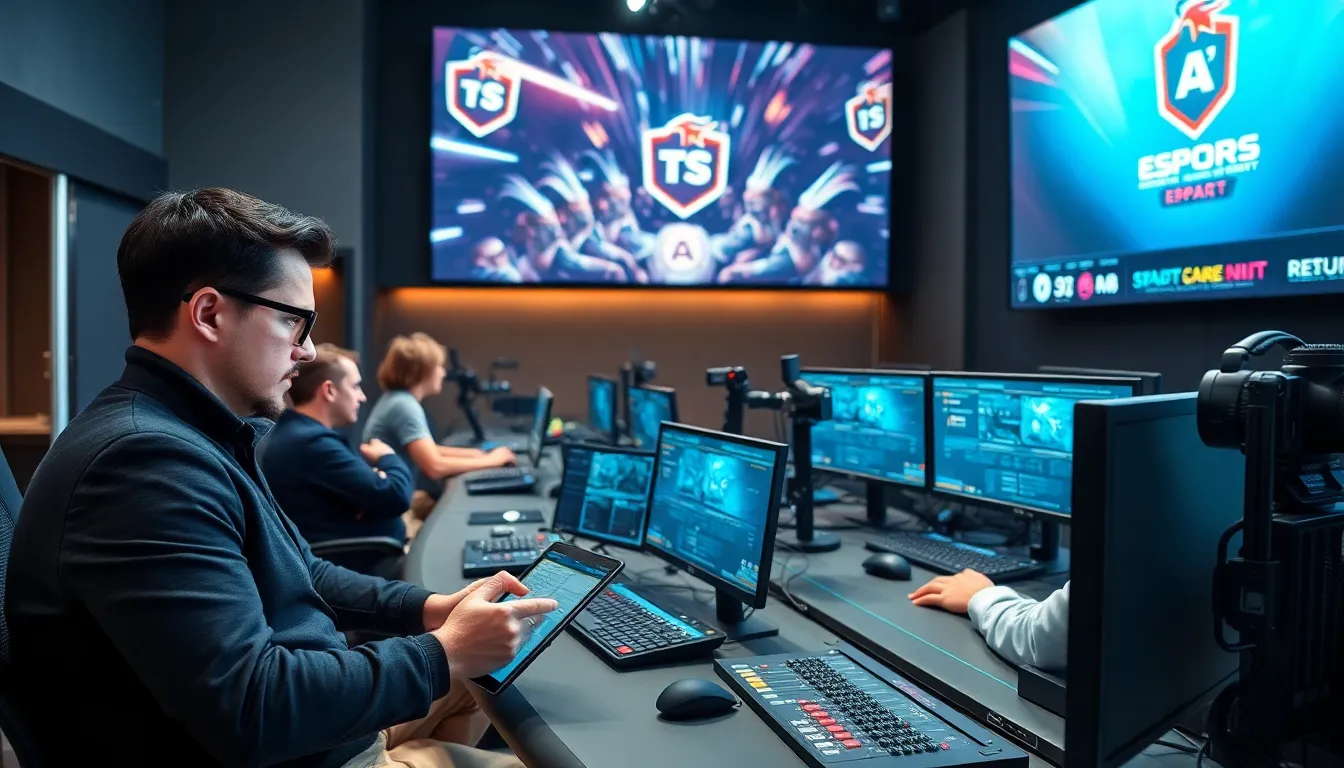
Live broadcasts represent the most visible form of esports coverage. These productions feature play-by-play commentators, color analysts, and desk hosts who guide viewers through tournaments. Production teams deliver camera angles, replays, and graphics that enhance the viewing experience. Major events like The International or the League of Legends World Championship attract millions of concurrent viewers.
News and Journalism
Esports journalism covers breaking news, investigative reports, and industry analysis. Reporters track roster moves, contract negotiations, and organizational changes. Feature writers profile players and explore the stories behind competitive success. Editorial teams provide opinion pieces and predictions.
Analysis and Educational Content
Analytical esports coverage helps fans understand what they’re watching. Analysts break down professional matches to explain strategies and decision-making. Educational content teaches viewers about game mechanics and competitive concepts. This type of esports coverage bridges the gap between casual fans and hardcore enthusiasts.
Documentary and Long-Form Video
Documentaries explore the human side of esports. These productions follow players through tournament runs, examine team dynamics, and chronicle career arcs. Long-form video content adds emotional depth to esports coverage that quick news hits cannot provide.
Social Media and Community Content
Social platforms deliver rapid-fire esports coverage updates. Teams, players, and journalists share news, highlights, and commentary in real time. Community-driven content like Reddit discussions and Twitter threads adds grassroots perspective to professional esports coverage.
Where to Find Esports Coverage
Audiences can access esports coverage through numerous platforms and outlets, each offering distinct advantages.
Streaming Platforms
Twitch remains the dominant destination for live esports coverage. The platform hosts official tournament broadcasts and provides archived content for later viewing. YouTube Gaming offers similar functionality with strong search and discovery features. Some leagues maintain exclusive streaming deals with specific platforms.
Dedicated Esports Websites
Specialized outlets like Dot Esports, Dexerto, and TheGamer provide comprehensive esports coverage across multiple titles. These sites employ full-time journalists and analysts who cover breaking news, match results, and industry developments. Game-specific sites focus on individual titles like League of Legends or Valorant.
Mainstream Sports Media
Traditional sports outlets have expanded their esports coverage significantly. ESPN operates a dedicated esports section with news, analysis, and event coverage. BBC Sport, The Washington Post, and other major publications now include competitive gaming in their portfolios.
Podcasts and Audio Content
Esports podcasts deliver discussion and analysis in audio format. Shows cover specific games, general industry news, or betting and fantasy content. Popular podcasts allow fans to consume esports coverage during commutes or workouts.
Social Media Channels
Twitter functions as a real-time news wire for esports coverage. Teams, players, journalists, and leagues all post updates directly to followers. Instagram and TikTok deliver highlight clips and behind-the-scenes content. Discord servers host community discussions around specific games and teams.
Why Esports Coverage Matters for the Gaming Industry
Esports coverage serves several critical functions that support the broader gaming ecosystem.
First, quality esports coverage drives audience growth. New fans discover competitive gaming through accessible content that explains what makes it exciting. Good coverage lowers the barrier to entry for casual viewers who might otherwise find professional play confusing.
Second, esports coverage creates value for sponsors and advertisers. Brands invest in competitive gaming because coverage delivers engaged audiences. Professional broadcasts, articles, and videos provide inventory for advertising. Without strong esports coverage, the sponsorship dollars that fund teams and tournaments would shrink.
Third, esports coverage legitimizes competitive gaming as a serious pursuit. Thoughtful journalism and high-quality broadcasts demonstrate that esports deserves the same respect as traditional sports. This credibility attracts institutional investment and mainstream acceptance.
Fourth, esports coverage builds narratives that keep fans invested. Stories about player rivalries, underdog runs, and championship dynasties create emotional connections. These narratives turn casual viewers into dedicated fans who follow scenes for years.
Fifth, esports coverage provides accountability. Investigative journalism exposes problems within organizations and pushes the industry toward better practices. Coverage of player treatment, contract disputes, and organizational misconduct creates pressure for improvement.
The esports coverage ecosystem continues to expand as competitive gaming grows. New games launch with built-in competitive modes and broadcast features. Media companies invest in specialized esports coverage teams. The relationship between esports and its coverage infrastructure has become symbiotic, each supports the growth of the other.