Table of Contents
ToggleFinding the right gear recommendations examples can save time, money, and frustration. Whether someone plans a weekend camping trip, starts a new fitness routine, or upgrades their photography kit, the right equipment makes all the difference. This guide covers practical gear recommendations examples across multiple categories. Readers will learn how to assess their needs, explore top picks for various activities, and evaluate recommendations before making a purchase. Smart gear choices lead to better experiences and longer-lasting equipment.
Key Takeaways
- Assess your activity level, skill, budget, and environment before exploring gear recommendations examples to avoid impulse purchases.
- Mid-range equipment often works best for beginners—entry-level gear frustrates, while pro-grade overwhelms with unnecessary features.
- Outdoor gear recommendations examples prioritize durability and value, with quality tents, daypacks, and trail runners outperforming budget options.
- Home gym essentials like adjustable dumbbells and quality exercise mats deliver versatility without requiring excessive space or spending.
- Photography beginners should start with mirrorless cameras under $1,000 and upgrade lenses as skills develop.
- Always verify gear recommendations examples through multiple sources and long-term reviews to spot durability issues and affiliate bias.
Understanding Your Gear Needs
Before diving into specific gear recommendations examples, buyers should assess their actual needs. This step prevents impulse purchases and ensures equipment matches real-world use.
Activity Level and Frequency
How often will someone use this gear? A casual hiker who hits trails twice a year doesn’t need the same boots as someone who backpacks every weekend. Frequency determines whether budget or premium gear makes more sense.
Skill Level Matters
Beginners often benefit from mid-range equipment. Entry-level gear may frustrate users with poor performance, while professional-grade equipment can overwhelm newcomers with features they don’t need yet.
Budget Considerations
Gear recommendations examples vary widely in price. Setting a realistic budget helps narrow options quickly. The sweet spot usually sits between the cheapest options and top-tier professional equipment.
Environment and Conditions
Where will this gear be used? Cold weather, wet conditions, rough terrain, or indoor settings all influence the right choice. A yoga mat for home use differs greatly from one needed for outdoor classes.
Outdoor Adventure Gear Examples
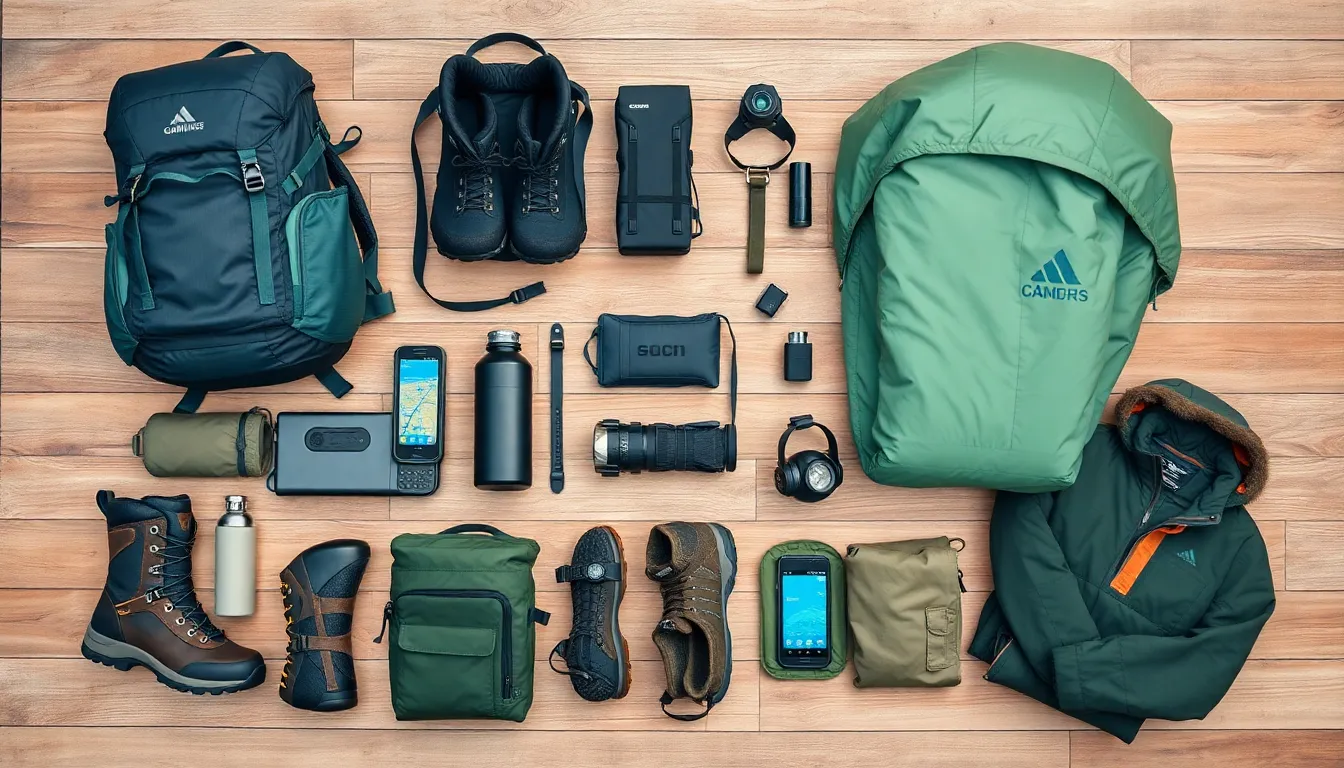
Outdoor activities demand reliable equipment. Here are practical gear recommendations examples for common adventures.
Hiking Essentials
A quality daypack (25-35 liters) holds water, snacks, and layers. Brands like Osprey and Gregory offer excellent options between $80-$150. Trail runners have largely replaced heavy hiking boots for most day hikes. Salomon and Hoka make popular choices.
Camping Gear Picks
A three-season tent suits most campers. REI’s Half Dome and Big Agnes Copper Spur deliver solid performance under $400. Sleeping bags rated to 20°F handle most conditions. Down fill packs smaller: synthetic insulation performs better when wet.
Water Sports Equipment
Inflatable paddleboards have improved dramatically. iRocker and BOTE produce stable, durable boards for $500-$900. Kayakers should consider sit-on-top models for beginners, they’re easier to re-enter after a capsize.
These gear recommendations examples prioritize durability and value over brand prestige.
Fitness and Sports Equipment Picks
Home gyms and sports activities require thoughtful equipment choices. These gear recommendations examples cover popular fitness categories.
Home Gym Basics
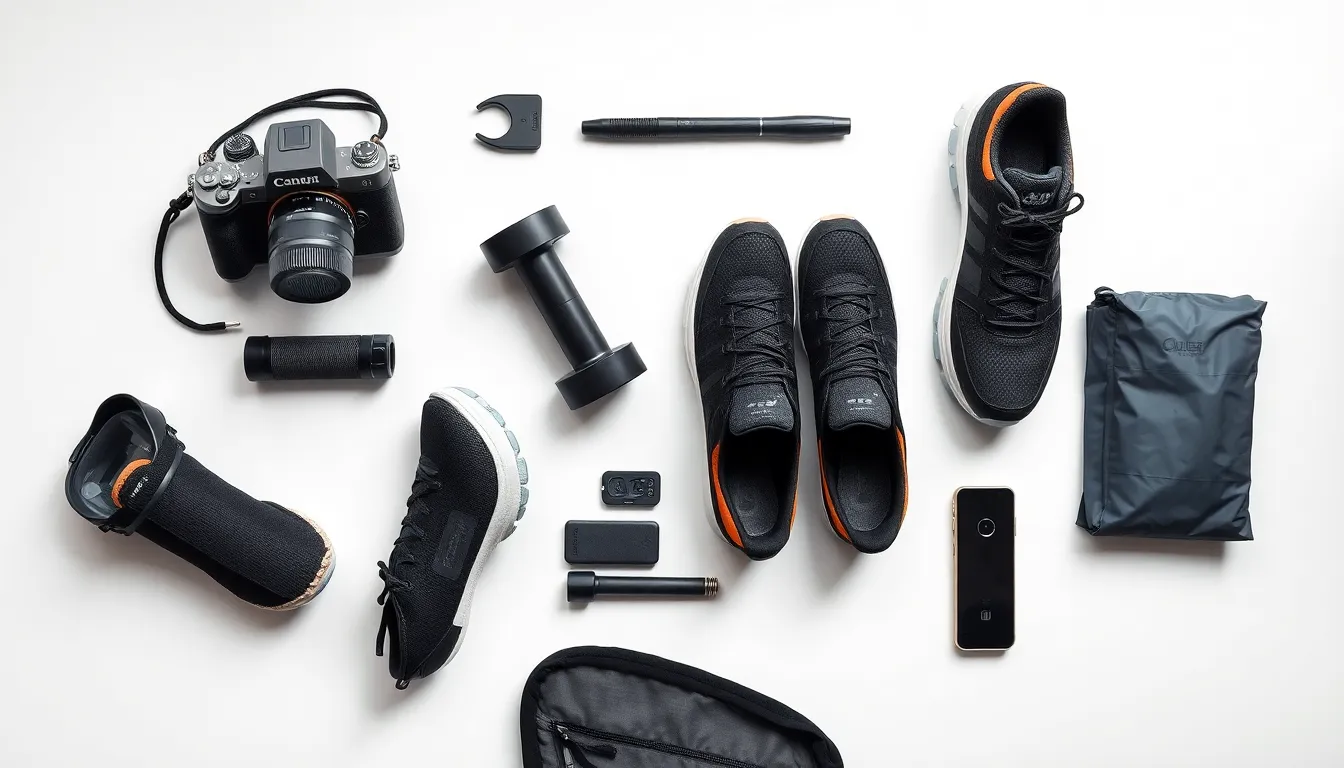
Adjustable dumbbells save space and money. Bowflex SelectTech and PowerBlock sets let users switch weights quickly. A quality exercise mat should measure at least 6mm thick for joint protection. Resistance bands from brands like Fit Simplify add variety without bulk.
Running Gear
Shoes matter most. Runners should visit specialty stores for gait analysis. Brooks, ASICS, and New Balance offer options for various foot types. Moisture-wicking socks prevent blisters, Balega and Feetures lead this category.
Team Sports Equipment
Soccer players need proper cleats for their playing surface. Firm ground (FG) cleats work on natural grass: turf shoes suit artificial fields. Basketball players should prioritize ankle support and traction. Nike and Adidas dominate both categories.
Recovery Tools
Foam rollers and massage guns speed recovery. Theragun and Hypervolt produce quality percussion massagers, though budget options from Opove work well for most users.
These gear recommendations examples balance performance with practical pricing.
Photography and Creative Gear Suggestions
Creative pursuits require specific tools. These gear recommendations examples help photographers and content creators choose wisely.
Camera Bodies
Mirrorless cameras now dominate the market. Sony’s A7 series, Canon’s R lineup, and Nikon’s Z cameras all deliver excellent results. Beginners should consider the Sony A6400 or Canon R10, both offer great features under $1,000.
Essential Lenses
A versatile zoom lens (24-70mm or similar) covers most situations. Prime lenses like a 50mm f/1.8 produce sharper images in low light. Budget-conscious buyers can start with kit lenses and upgrade later.
Lighting Equipment
Natural light works well, but artificial lighting expands possibilities. Godox speedlights offer professional features at consumer prices. Ring lights help content creators achieve even facial lighting for video calls and social media.
Audio Gear for Video
Built-in camera microphones sound poor. A Rode VideoMic or similar shotgun mic dramatically improves audio quality. Wireless lavalier systems from DJI and Hollyland suit interviews and moving subjects.
These gear recommendations examples help creators build capable kits without overspending.
How to Evaluate Gear Recommendations
Not all gear recommendations examples deserve trust. Smart buyers evaluate sources and claims before purchasing.
Check Multiple Sources
One review isn’t enough. Compare opinions across YouTube reviewers, written articles, and user reviews on retail sites. Patterns emerge when multiple sources mention the same strengths or weaknesses.
Look for Long-Term Reviews
Initial impressions differ from six-month experiences. Seek out reviewers who update their opinions after extended use. Durability issues often surface only after months of regular use.
Consider the Source’s Expertise
A professional photographer’s camera recommendation carries more weight than a casual user’s opinion. Match reviewer expertise to the activity level being considered.
Watch for Affiliate Bias
Many gear recommendations examples come from affiliate marketing. This doesn’t automatically mean dishonesty, but readers should note when reviewers profit from purchases. Balanced reviews mention downsides alongside benefits.
Test When Possible
REI’s generous return policy lets outdoor enthusiasts try gear in real conditions. Many camera stores offer rentals. Testing beats trusting any recommendation blindly.
These evaluation strategies help buyers filter good gear recommendations examples from poor ones.