Table of Contents
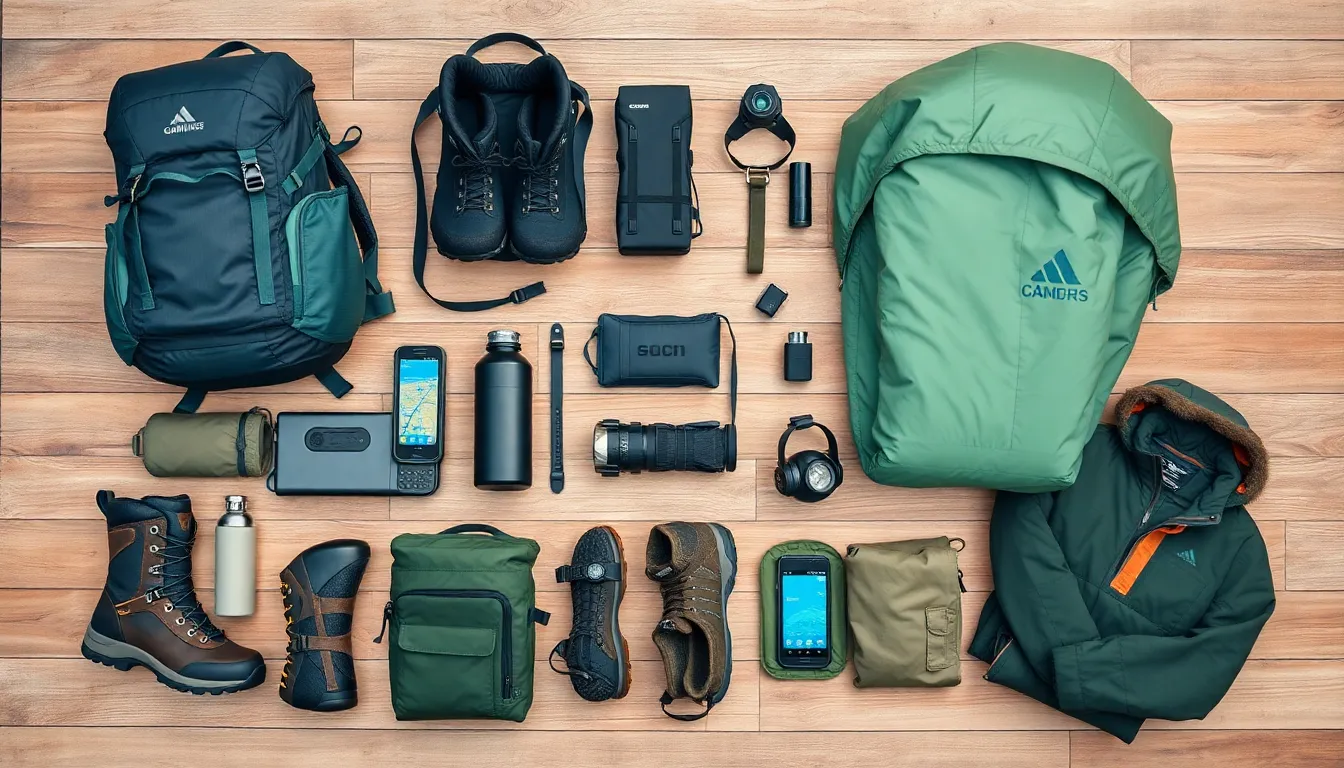
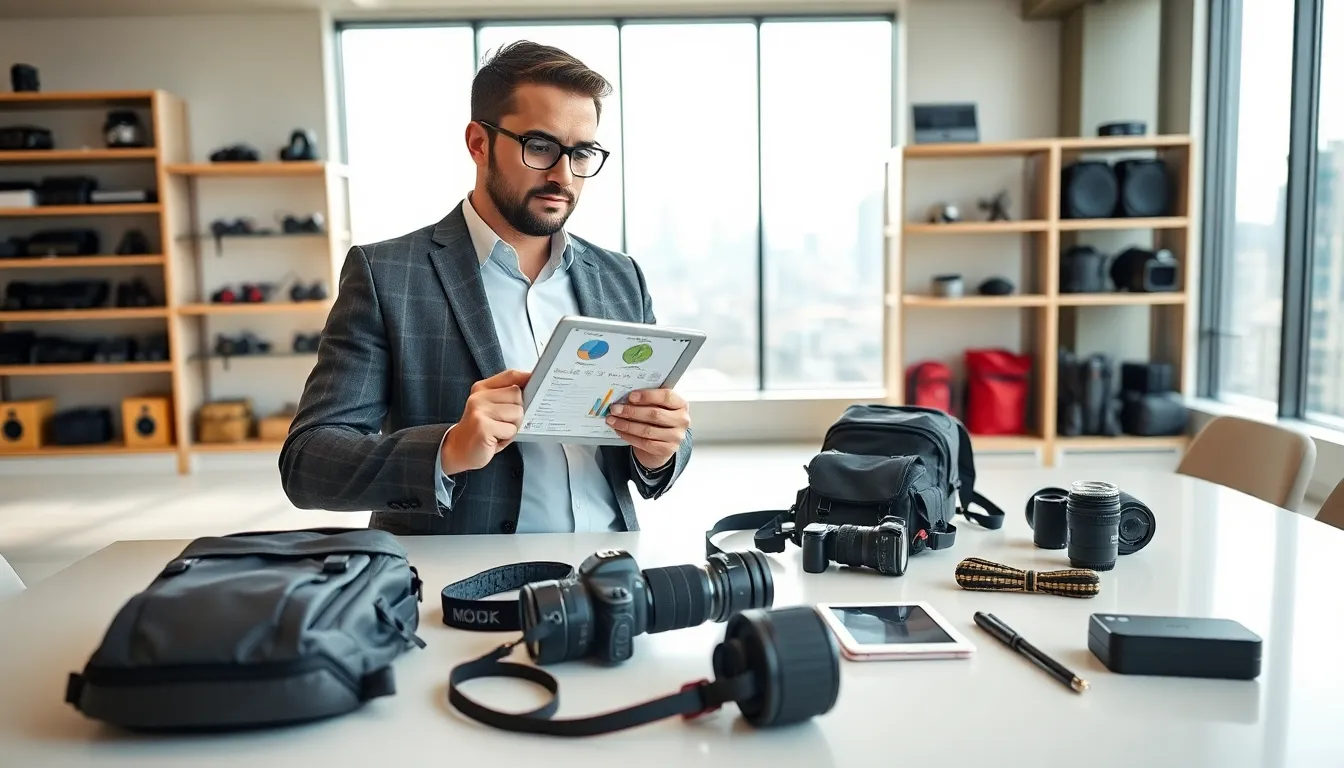
ToggleA solid gear recommendations guide can save hours of frustration and hundreds of dollars. Whether someone is shopping for camping equipment, photography tools, or fitness accessories, the process often feels overwhelming. Too many options exist, and marketing claims rarely tell the full story.
This guide breaks down the essential steps for choosing the right equipment. Readers will learn how to assess their actual needs, evaluate quality factors, balance budget with value, and find reliable sources for research and purchases. The goal is simple: help people make confident gear decisions they won’t regret.
Key Takeaways
- A solid gear recommendations guide starts with defining your actual needs and skill level to avoid overspending or underspending.
- Mid-range gear often delivers 80% of professional performance at 50% of the cost, making it the sweet spot for most buyers.
- Calculate cost per use rather than sticker price to determine the true value of any equipment investment.
- Check long-term user reviews for durability insights since manufacturer claims rarely tell the full story.
- Time your purchases around seasonal sales cycles to save significantly on outdoor, fitness, and electronics gear.
- Spend extra time researching through professional reviews, user feedback, and community forums before buying to avoid costly replacements.
Assess Your Needs And Skill Level
Before browsing products, buyers should define what they actually need. This step sounds obvious, but many people skip it. They end up with gear that’s too advanced, too basic, or completely wrong for their use case.
Define Your Primary Use Case
Every piece of equipment serves a specific purpose. A weekend hiker doesn’t need the same backpack as a thru-hiker tackling a 500-mile trail. A hobbyist photographer doesn’t require the same camera body as a professional shooting weddings.
Ask these questions first:
- What activity will this gear support?
- How often will it be used?
- What conditions or environments will it face?
Honest answers prevent overspending on features that won’t get used. They also prevent underspending on gear that can’t handle the job.
Match Gear To Current Skill Level
Beginners often make a common mistake. They buy professional-grade equipment thinking it will accelerate their progress. In reality, advanced gear can overwhelm new users and slow down learning.
A gear recommendations guide should always emphasize this: start with equipment appropriate for current abilities. Someone learning to rock climb doesn’t need top-tier shoes designed for elite climbers. Entry-level shoes build fundamental technique better.
As skills improve, upgrading becomes easier. Users understand what features matter most because they’ve experienced the limitations of starter gear firsthand.
Key Factors When Evaluating Gear
Once needs are clear, evaluation begins. Not all gear is created equal, and price alone doesn’t indicate quality. Several factors determine whether equipment delivers real value.
Durability And Build Quality
Gear should outlast its purchase price. Cheap equipment that breaks after three uses costs more in the long run than mid-range options that last years.
Check materials and construction. Metal components typically outlast plastic. Reinforced stitching beats single-thread seams. Weather-resistant coatings protect against moisture damage.
Reviews from long-term users reveal durability better than manufacturer claims. Look for feedback from people who’ve used the gear for six months or longer.
Weight And Portability
Weight matters for any equipment that gets carried. Hikers, photographers, and travelers all benefit from lighter gear, but weight reduction often comes with tradeoffs.
Ultralight equipment may sacrifice durability or features. The best choice depends on priorities. Someone hiking 20 miles per day values every ounce saved. Someone using gear occasionally at a local park can tolerate extra weight for added durability.
Compatibility And Ecosystem
Some gear works within product ecosystems. Camera lenses, power tool batteries, and modular camping systems all create dependencies.
Consider future needs before committing to an ecosystem. Switching platforms later means replacing multiple items, not just one. A gear recommendations guide should flag this consideration, especially for photography and power tools where ecosystem lock-in runs deep.
Budget Considerations And Value
Price influences every gear decision. Smart buyers look beyond the sticker price to assess true value.
The Sweet Spot Strategy
Most product categories have a sweet spot where quality meets reasonable pricing. Entry-level gear often cuts corners on durability. Top-tier gear charges premium prices for marginal improvements.
Mid-range options frequently deliver 80% of professional performance at 50% of the cost. This sweet spot works well for most buyers. It provides reliable quality without paying for features only experts would notice or use.
Calculate Cost Per Use
A $300 jacket worn 100 times costs $3 per use. A $100 jacket that falls apart after 20 uses costs $5 per use. The expensive option actually delivered better value.
This calculation changes how people view gear investments. Equipment used frequently justifies higher upfront costs. Gear used rarely should probably stay budget-friendly.
Watch For Sales Cycles
Most gear categories follow predictable sale patterns. Outdoor equipment drops in price after summer ends. Fitness gear goes on sale after January’s resolution rush fades. Electronics see discounts during holiday shopping periods.
Patient buyers save significantly by timing purchases to these cycles. That said, waiting only makes sense if current gear functions adequately. Don’t suffer with broken equipment just to save 15%.
Where To Research And Buy Gear
Good research prevents buyer’s remorse. The internet provides more information than ever, but not all sources deserve trust.
Trusted Review Sources
Professional review sites offer detailed testing and comparisons. They typically evaluate gear against standardized criteria, making cross-product comparisons meaningful.
User reviews on retail sites add real-world perspective. Look for reviews mentioning long-term use, specific conditions, or comparisons to other products the reviewer has owned. Generic five-star reviews provide less value than detailed three-star reviews explaining specific pros and cons.
Forums and communities dedicated to specific activities offer another layer of insight. Members share hard-won knowledge about gear performance in real situations.
Buying Options Compared
Online retailers offer convenience, broad selection, and competitive pricing. Return policies vary, so check before purchasing. Some sites also provide expert chat support for gear selection.
Local specialty shops let buyers handle products before committing. Staff often have hands-on experience with the gear they sell. Prices may run slightly higher, but personalized advice and easy returns add value.
Used gear markets (online marketplaces, consignment shops, gear swaps) stretch budgets further. Buyers should inspect used items carefully and research fair market prices before negotiating.
Any good gear recommendations guide emphasizes research before purchase. Spending an extra hour reading reviews beats spending an extra $200 replacing disappointing equipment.