Table of Contents
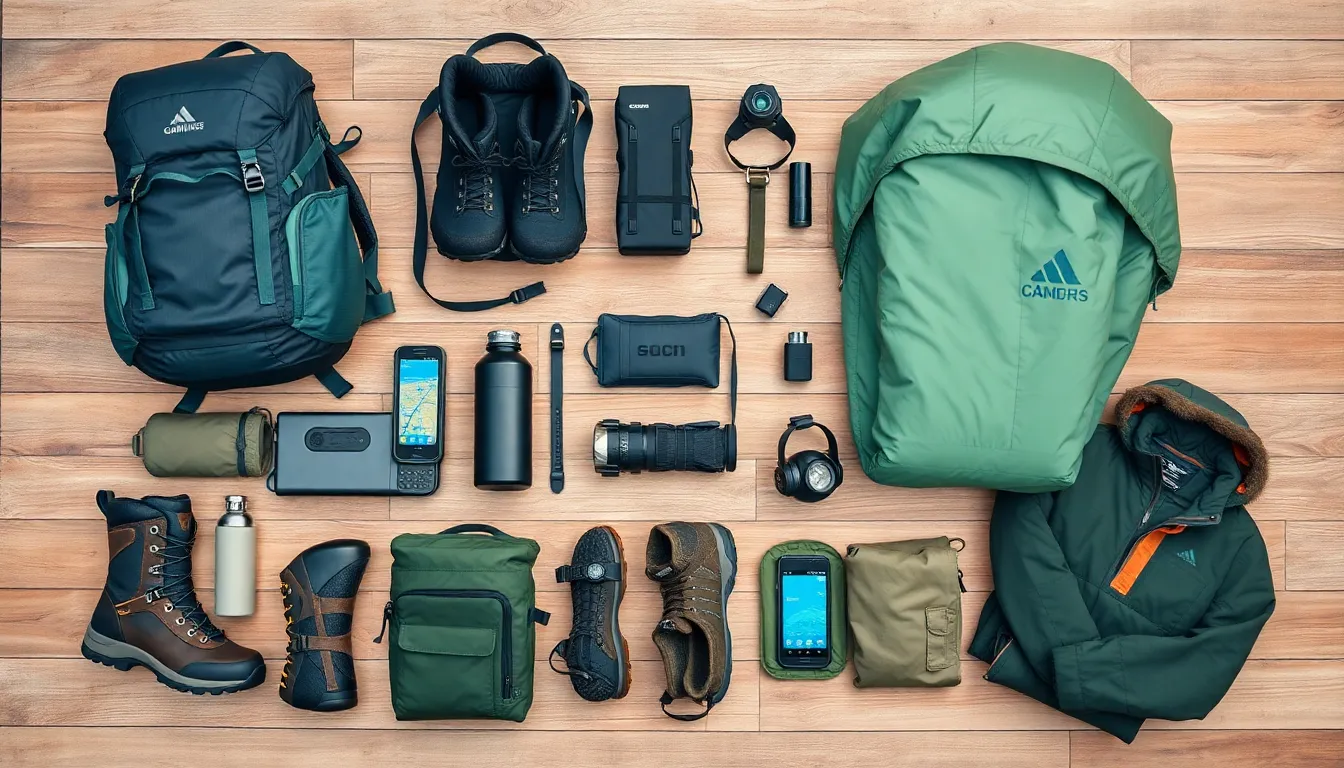
ToggleGear recommendations techniques help buyers make smarter equipment choices. Whether someone is shopping for outdoor gear, camera equipment, fitness tools, or tech accessories, the right approach saves money and frustration. Many buyers rush their decisions and end up with gear that doesn’t match their needs. Others spend hours researching without a clear strategy. This guide breaks down proven gear recommendations techniques that lead to better purchasing decisions. Readers will learn how to define their needs, compare options, balance quality with budget, use expert feedback, and test equipment before buying.
Key Takeaways
- Effective gear recommendations techniques start with defining your specific needs, goals, and usage frequency before browsing products.
- Create a shortlist of 3-5 products and compare specifications side by side to avoid decision fatigue and spot hidden differences.
- Mid-range gear typically offers the best value—calculate cost per use to see long-term savings over cheap alternatives that wear out quickly.
- Combine expert reviews with user feedback and community discussions to uncover real-world performance issues that product descriptions miss.
- Test equipment in person, rent before buying, or use generous return policies to ensure gear fits your needs before committing.
- Following proven gear recommendations techniques prevents expensive mistakes and helps you find equipment that truly matches your situation.
Define Your Specific Needs and Goals
The first step in any gear recommendations technique is understanding what the equipment needs to accomplish. Buyers should ask themselves specific questions before browsing products.
What activity or task will this gear support? A weekend hiker needs different boots than a thru-hiker. A hobbyist photographer doesn’t require the same camera as a professional shooting weddings.
How often will they use it? Frequency matters. Someone using equipment daily needs durability. Occasional users can often get by with mid-range options.
What environment will the gear face? Temperature, humidity, terrain, and weather conditions all affect performance. Cold-weather camping gear differs significantly from desert camping essentials.
What’s the skill level? Beginners often benefit from simpler gear that’s easier to learn. Advanced users may want specialized features that would overwhelm newcomers.
Writing down these requirements creates a checklist. This checklist becomes a filter during research. It prevents impulse purchases and keeps buyers focused on what actually matters for their situation. Skipping this step is the most common mistake in gear selection.
Research and Compare Options Thoroughly
After defining needs, buyers should research available options. Effective gear recommendations techniques rely on systematic comparison.
Start with category overviews. General guides explain different types within a category. For example, understanding the difference between synthetic and down insulation helps narrow sleeping bag choices.
Create a shortlist of 3-5 products. Too many options cause decision fatigue. Too few limit good choices. Three to five products hit the sweet spot for meaningful comparison.
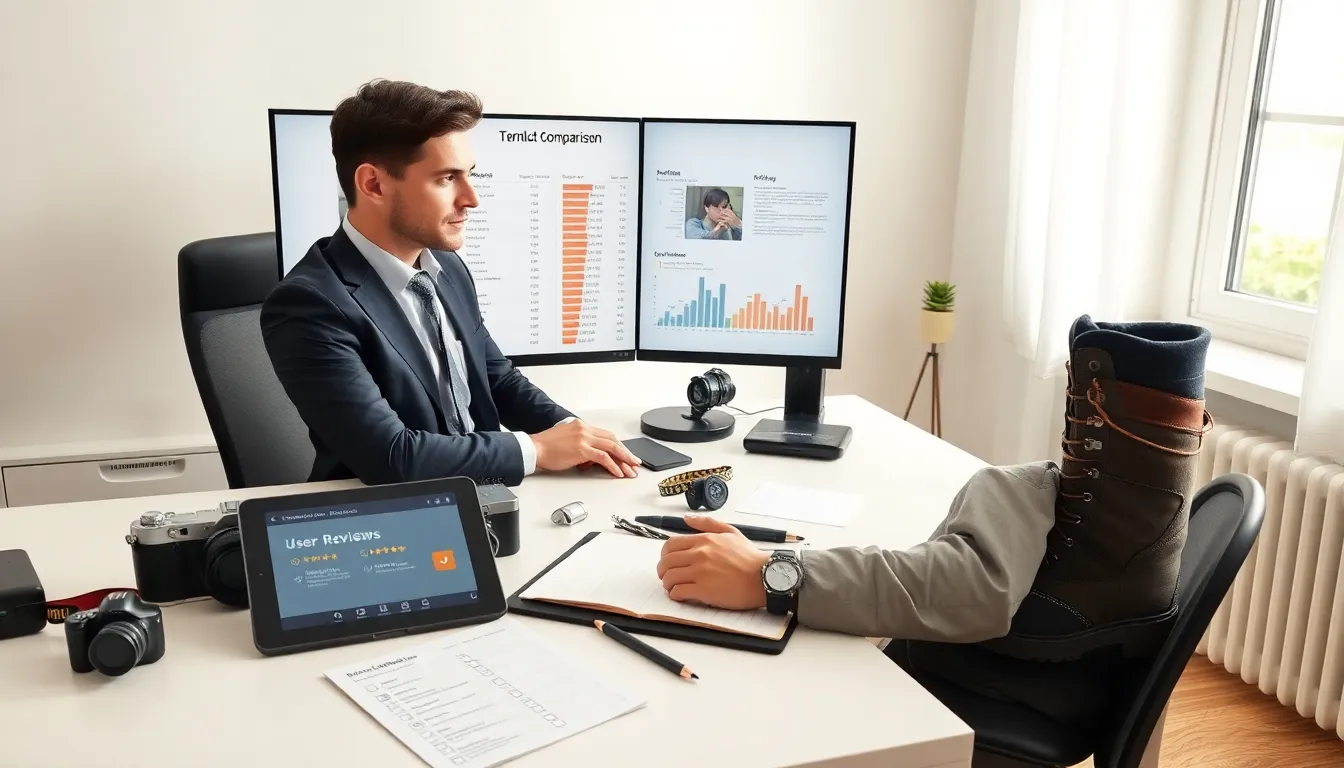
Compare specifications side by side. Weight, dimensions, materials, battery life, warranty length, these details reveal differences that marketing copy hides. Spreadsheets work well for this comparison.
Check availability and delivery times. Great gear that’s backordered for six months doesn’t help someone who needs equipment next week.
Look at the full ecosystem. Some gear works better within a specific brand’s system. Cameras need compatible lenses. Power tools need matching batteries. Compatibility affects long-term costs.
Research takes time, but it prevents expensive mistakes. Rushing this phase is tempting. Resist that urge. The gear recommendations techniques that work best involve patience during the research stage.
Evaluate Quality Versus Budget
Budget constraints affect every purchase. Smart gear recommendations techniques help buyers find the best value at their price point.
Set a realistic budget range. Having a minimum and maximum creates flexibility. A $200-$300 range gives more options than a fixed $250 limit.
Understand the price-quality curve. Entry-level gear often lacks durability or features. Mid-range products typically offer the best value. Premium gear provides marginal improvements at much higher costs. Most buyers find their sweet spot in the mid-range.
Calculate cost per use. A $500 jacket worn 200 times costs $2.50 per use. A $100 jacket that falls apart after 20 uses costs $5 per use. Long-term thinking changes how buyers view prices.
Factor in maintenance and replacement costs. Some gear requires expensive upkeep. Others need frequent part replacements. These hidden costs affect total ownership price.
Consider buying used. Quality used gear often outperforms cheap new gear. Outdoor enthusiast communities, camera forums, and sports equipment exchanges offer pre-owned options at significant discounts.
Buyers shouldn’t always choose the cheapest option. They also shouldn’t assume expensive means better. Value comes from matching quality to actual needs and intended use duration.
Leverage Expert Reviews and User Feedback
Outside opinions provide insights that product descriptions miss. Gear recommendations techniques should include gathering feedback from multiple sources.
Expert reviews offer technical depth. Professional reviewers test products systematically. They measure performance, compare against competitors, and identify weaknesses. Look for reviewers who specialize in the relevant category.
User reviews reveal real-world performance. Average users encounter problems that experts miss. They report durability issues, customer service experiences, and practical limitations. Read reviews from users with similar needs and experience levels.
Watch video reviews and unboxings. Video content shows scale, build quality, and actual operation. Written descriptions can’t capture how gear feels or sounds.
Join relevant communities. Reddit forums, Facebook groups, and specialty websites host discussions about gear. Members share honest opinions and answer specific questions.
Be skeptical of extremes. Both glowing five-star reviews and one-star complaints may be unreliable. Fake reviews and competitor sabotage exist. Middle-ground reviews often contain the most useful information.
Note recurring themes. When multiple reviewers mention the same issue, pay attention. One person complaining about a zipper might be unlucky. Twenty people mentioning zipper problems indicates a design flaw.
Gathering feedback takes effort but reduces risk. Other people’s experiences help buyers avoid common pitfalls.
Test Before You Commit
Testing is one of the most underused gear recommendations techniques. Hands-on experience reveals what research cannot.
Visit physical stores. Holding equipment, trying on apparel, and testing controls provides crucial information. Weight specs don’t convey how something feels. Ergonomics matter.
Ask about return policies. Generous return windows allow real-world testing. REI’s one-year return policy, for instance, lets outdoor enthusiasts test gear in actual conditions.
Rent before buying. Camera rental services, outdoor gear libraries, and equipment rental shops let buyers try expensive items without full commitment. A weekend with rented gear often clarifies whether a purchase makes sense.
Attend demos and expos. Industry events and brand demos offer testing opportunities. Ski resorts host demo days. Camera manufacturers run hands-on workshops.
Borrow from friends. Someone in the buyer’s network may own similar equipment. Borrowing provides free testing and honest feedback from someone they trust.
Testing costs time and sometimes money. But discovering that gear doesn’t fit before purchase beats discovering it after. Returns are inconvenient. Stuck with wrong gear is worse.